
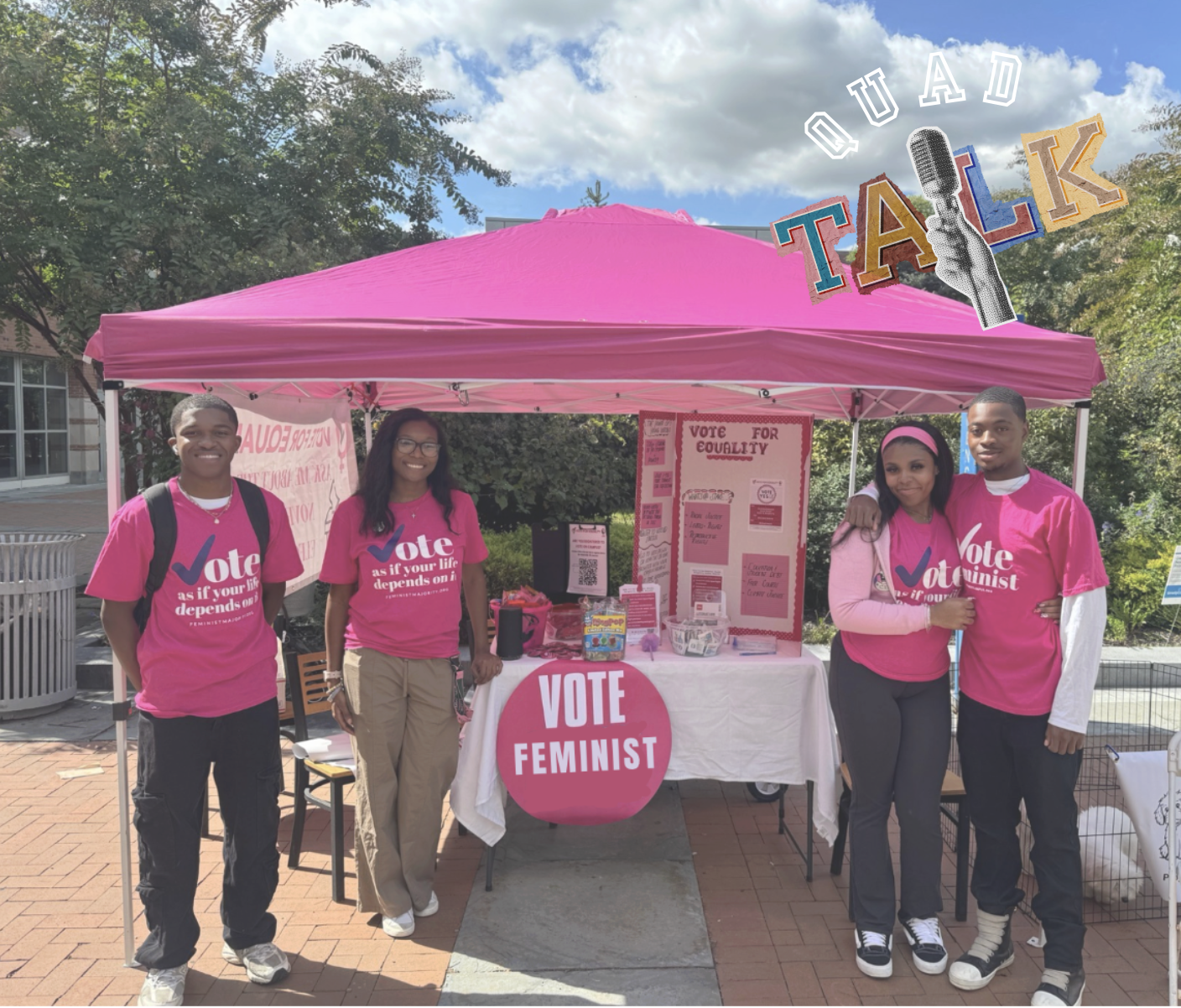

Waiting with bated breath for the upcoming primary elections, this Black History Month looks a bit different for North Carolina students looking forward to voting. In a state long shaped by gerrymandering attempts, new changes are eliminating college-based polling sites.
On Jan. 13 of this year, in Mooresville, the North Carolina State Board of Elections approved a Guilford County plan that would eliminate the voting site at the country’s largest historically Black college and university, North Carolina A&T State University. The plan strips the university of its early voting location.
In the 2025-2026 academic year, NC A&T enrolls 12,497 undergraduate students and 1,814 graduate students, making it the largest HBCU in the United States. There have been consistent attacks on Black voters since the beginning of suffrage, and the modern era has only refined the method, not the goal.
Black voter suppression has rarely looked like outright denial since the Voting Rights Act. Instead, it looks administrative. It looks logistical. They are so good at it that it almost looks neutral on paper.
Poll taxes became voter ID laws.
Literacy tests became registration purges.
Closed polling places became “site optimization.”
Removing a polling place from an HBCU does not outrightly prevent voting. It simply makes it harder for the exact population most likely to use it. And difficulty, historically, has always been the point.
This moment is not isolated to North Carolina. In Texas, maps are once again being drawn ahead of the 2026 primaries in ways that pack and fracture communities of color to engineer outcomes before a ballot is cast. The response has already rippled nationwide, prompting defensive electoral measures like California’s Prop 50, a sign that states are increasingly preparing for each other rather than cooperating in a way that democracy is supposed to operate.
Nor is this pressure limited to district lines. The last election cycle normalized something once unthinkable. It normalized direct attempts to alter vote counts. When a sitting president urged Georgia officials to “find the votes,” it reframed elections as negotiable outcomes rather than civic processes. Now the conversation has moved even further: ICE surrounding polling locations. These are clear intimidation tactics.
Voter suppression in 2026 does not announce itself with billy clubs or burning crosses. It arrives through policy memos, site relocations, bureaucratic revisions, strategic inconvenience, scare tactics, and rogue, 2am “Truth Social” posts that manifest into mass hate directed towards Black people, LGBTQ+ people, immigrants, women, and the marginalized.
Black History Month often celebrates progress as an incomplete journey, a march from Selma to success. But history shows voting rights expanding, contracting, and expanding again, all dependent on participation and vigilance. Each generation inherits the ballot and the obstacles all simultaneously.
College campuses, especially HBCUs, have always represented political activation. From sit-ins to voter registration drives, they are where first-time voters make a life-long habit of civic engagement. Removing polling places from those campuses does not simply relocate the voting, it interrupts the most basic civic pipeline.
And interruptions accumulate. Like dominos. More destruction with each falling brick.
This February, the question is not whether any single change ends democracy. The question is whether a pattern is visible while it is still deniable by the right.
Because historically, the most effective restrictions on voting rights have never looked dramatic in the moment. They only look obvious in retrospect.